How Often Should You Do Pilates to See Results?
For noticeable results from Pilates, 2–3 sessions per week is a good guideline for most people. You may start to feel improvements in posture, body awareness and movement within a few weeks, while visible changes in strength and muscle definition generally take longer. The ideal frequency depends on your fitness level, goals, training intensity and how well your body recovers.
How often should you do Pilates for optimal results?
For most people, 2–3 Pilates sessions per week provides a good balance between training and recovery. Beginners can start with two sessions a week, while more experienced practitioners may choose to train three or four times a week.
There is no single perfect frequency for everyone. Your current fitness level, the intensity of your Pilates sessions and the other exercise you do all matter. If you’re just starting out, giving your body enough time to adapt between workouts can help you build a sustainable routine.
Your goals also influence your training schedule. Two sessions a week can be enough to improve general fitness, mobility and core strength. If Pilates is your main form of exercise and you want to progress more quickly, three sessions a week may be a better fit.
Most importantly, listen to your body. More isn’t automatically better. A routine you can maintain consistently is more valuable than an ambitious schedule that leaves you exhausted or causes you to stop altogether.
Book your free trial workout here and experience the difference.
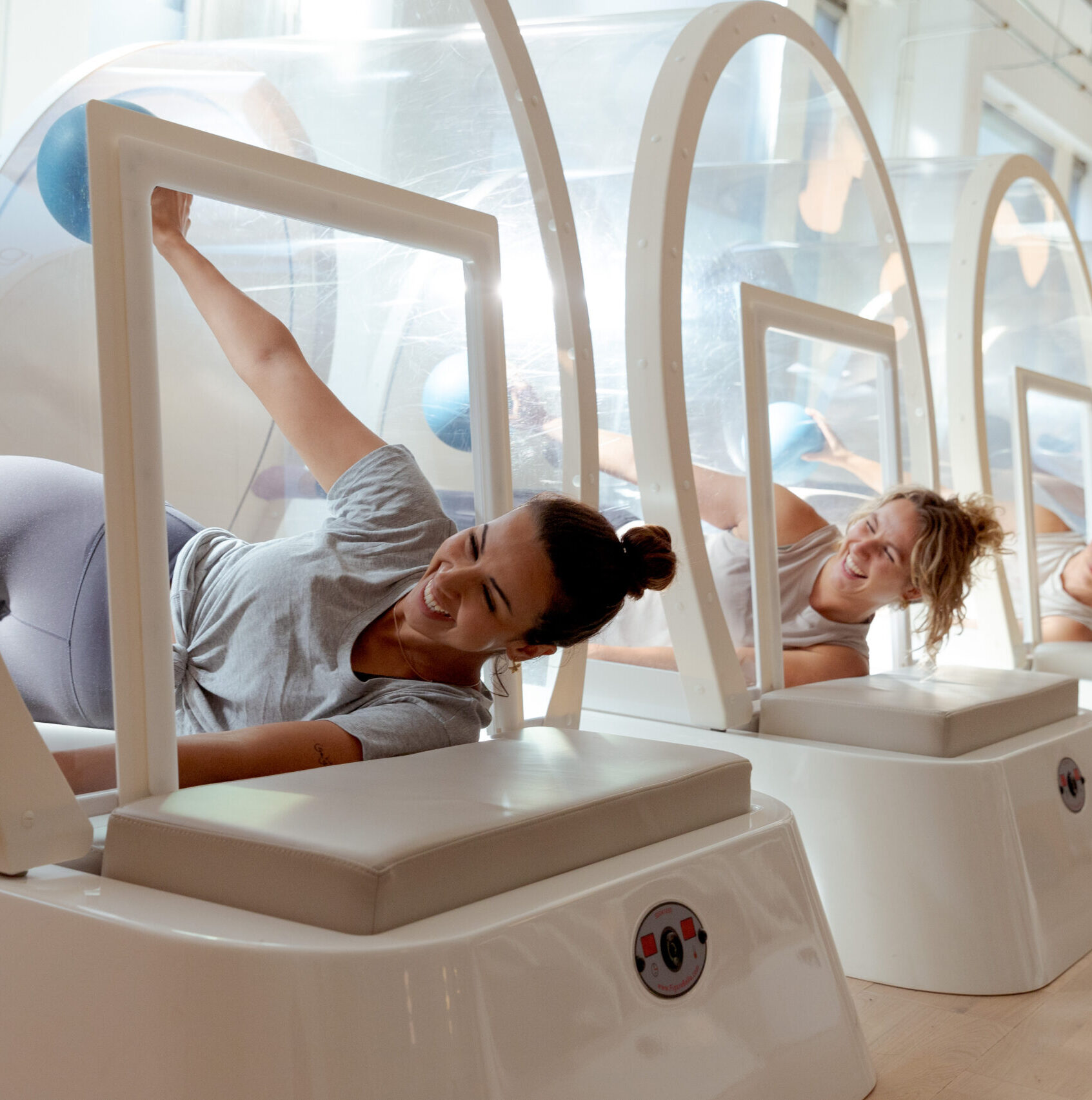
When will you start seeing results from Pilates?
You may start to feel the first effects of Pilates within a few weeks. Improved body awareness, core activation and movement control are often among the first changes people notice. Visible changes in muscle definition generally take longer and vary significantly from person to person.
After several weeks of regular Pilates, you may notice that you stand taller, feel more stable and have greater control over everyday movements. Your core can feel stronger and movements that initially required a lot of concentration may start to feel more natural.
With continued training, flexibility, balance and strength can improve further. After a few months of consistent Pilates, some people notice more visible muscle definition, particularly around the core, legs and arms.
Exactly how quickly you see results depends on your starting point, training frequency and intensity, as well as factors such as nutrition, sleep, stress, genetics and any other exercise you do. Rather than focusing on an exact number of weeks, look at your progress over time: Are you stronger? Do exercises feel easier? Is your balance improving? Do you move with more control? These are all meaningful results.
What happens if you do Pilates too often or not often enough?
Pilates can be practised frequently, but your body still needs sufficient recovery, particularly after challenging sessions. How much recovery you need depends on the intensity of your workouts and your individual fitness level.
Doing intense Pilates workouts too frequently without enough recovery can lead to fatigue, persistent muscle soreness and reduced performance. If your body constantly feels tired or exercises that normally feel comfortable suddenly become more difficult, it may be a sign that you need additional recovery.
On the other hand, even one Pilates session a week can have benefits, especially if it complements other forms of exercise. However, if your goal is to make significant progress in strength, stability or technique, practising more regularly will generally produce better results.
Signs that you may need to adjust your routine include persistent soreness, fatigue, loss of motivation or a decline in performance. Your ideal training frequency can also change from week to week. Some weeks your body may benefit from more movement; at other times, recovery should take priority.
How do you combine Pilates with other forms of exercise?
Pilates combines very well with cardio, strength training and yoga. Each form of exercise challenges your body in a different way, so combining them can create a varied and well-rounded fitness routine.
Cardio and Pilates complement each other nicely. Cardio supports cardiovascular fitness and endurance, while Pilates focuses more on core strength, stability, control and mobility.
Strength training and Pilates are another strong combination. Progressive resistance training is particularly effective for building muscle and maximal strength, while Pilates can improve stability, movement control and mobility.
Yoga can add another dimension by focusing on mobility, balance, breathing and relaxation. Ultimately, the best combination is one that fits your goals and that you genuinely enjoy enough to maintain.
For example, a varied week could include two Pilates sessions, one or two strength workouts and some cardio or yoga. You don’t need to follow a rigid schedule: consistency over the long term matters more than creating the “perfect” training week.
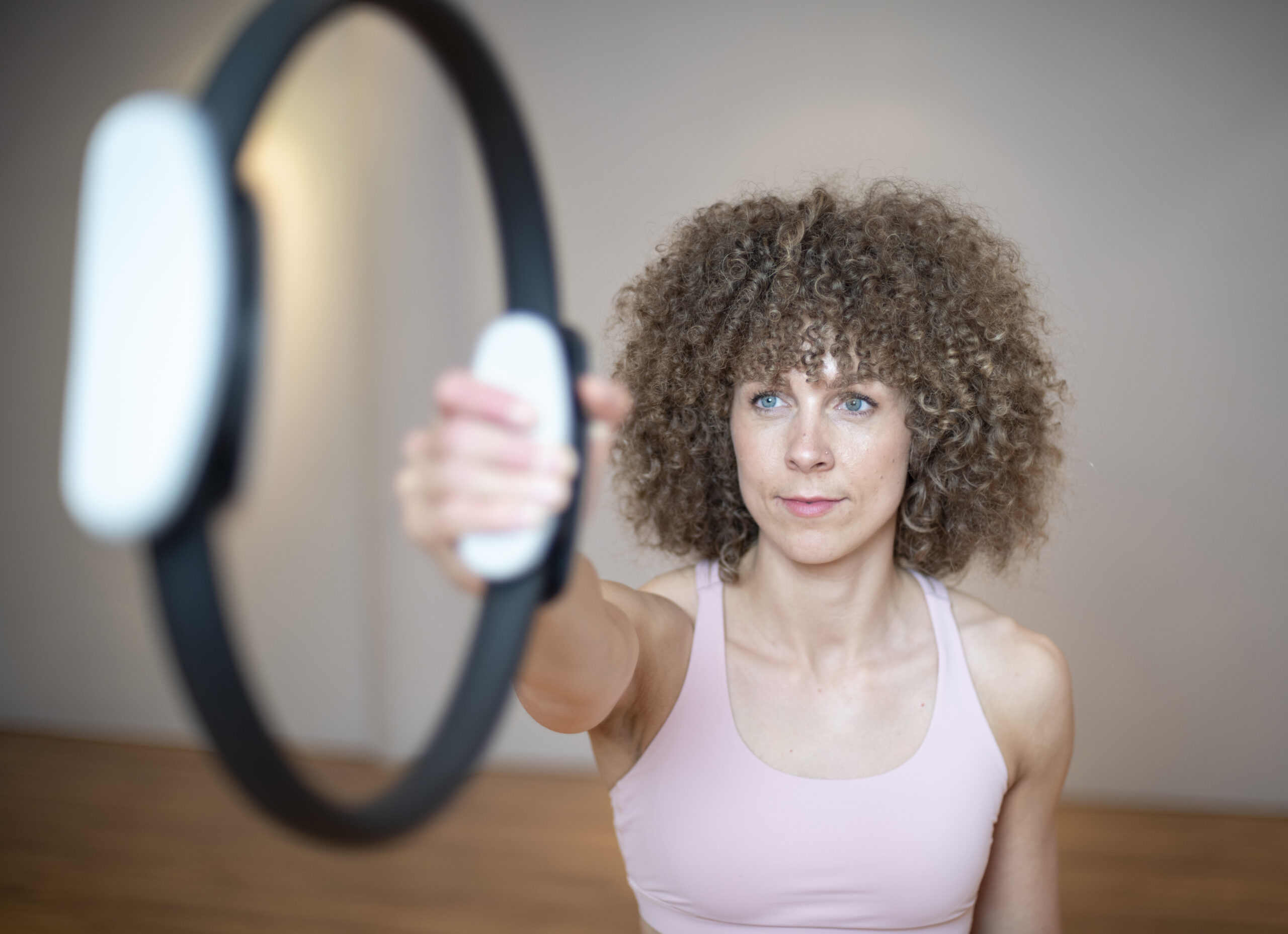
How bbb health boutique helps you get more from your Pilates workouts
At bbb health boutique, we help you find a workout routine that suits your body, goals and lifestyle. Pilates can be combined with our other workouts and our holistic body-food-mind approach, so you can work on more than fitness alone.
Our approach includes:
- Personal guidance to help you find a training routine that suits you
- Pilates and hot cabin workouts for different fitness levels
- A variety of workouts to combine Pilates with strength, cardio and mobility
- Coaching focused on body, food & mind
- Support to help you build a routine you can maintain
Start your health journey at bbb health boutique. Book a free trial workout and discover how our combination of Pilates, other workouts and personal coaching can help you become stronger, move better and feel good in your body.