Perimenopause: what’s happening in your body and what you can do
Perimenopause is a phase every woman goes through, yet it’s still not talked about enough. This period can have a significant impact on how you feel, physically, mentally, and emotionally. It often starts in your early to mid-40s and can last for several years.
The transition is often downplayed, but for many women it is a deeply transformative phase. Around 80% of women experience symptoms, and for about a third, these symptoms significantly affect daily life. The good news is that there is a lot you can do to support your body.
What is perimenopause?
Perimenopause is the phase leading up to menopause. Your body transitions from being fertile to non-fertile. Menopause itself is just one moment in time, defined as the day you have gone twelve consecutive months without a menstrual cycle. The years leading up to that point are called perimenopause.
During this phase, your hormones fluctuate constantly, which explains many of the symptoms women experience.
Early perimenopause
In the early phase, progesterone starts to decline while estrogen remains relatively high. Ovulation becomes less frequent, which can lead to hormonal imbalance.
Common symptoms include shorter or heavier periods, breast tenderness, weight gain especially around the abdomen, headaches or migraines, and mood swings. Many women also experience poor sleep, fatigue, and a constant feeling of being on edge.
Your body benefits from support and balance during this phase. Strength training helps stimulate your metabolism and build muscle. Restorative practices such as yoga and breathwork calm the nervous system. A fiber-rich diet with vegetables like broccoli and cauliflower supports estrogen metabolism. Reducing caffeine, alcohol, and sugar helps stabilize blood sugar and stress hormones.
Late perimenopause
In the later phase, estrogen levels also begin to decline and your cycle becomes irregular or may stop temporarily. This is often when symptoms feel more intense.
Common symptoms include hot flashes, night sweats, brain fog, memory issues, and sleep disturbances. Anxiety, low mood, joint pain, and heart palpitations can also occur. Some women experience vaginal dryness and a decrease in libido.
During this phase, it is important to balance movement and rest. Strength training, walking, and yoga support both physical and mental health. A calming evening routine and consistent bedtime help regulate sleep. Breathwork and relaxation techniques lower stress levels. Phytoestrogen-rich foods may help support hormonal balance, while sufficient protein intake supports energy and recovery.
Why your body changes
During perimenopause, your metabolism slows down. You need fewer calories than you did in your twenties, and your body becomes more prone to storing fat, particularly around the abdomen. At the same time, muscle mass declines and your sensitivity to stress increases.
Many women notice that what used to work for their body no longer does. This can feel frustrating, but it simply means your body now requires a different approach.
Common symptoms explained
Weight gain is one of the most common concerns. Hormonal changes slow down metabolism and increase hunger. Practicing mindful eating and becoming more aware of your habits can help restore balance.
Abdominal fat often increases due to declining estrogen levels. Strength training is one of the most effective ways to reduce this and improve body composition.
Sleep disturbances are common because hormones influence your sleep cycle and stress response. Going to bed before 11 pm, sleeping in a cool and dark room, and incorporating relaxation practices like yoga nidra can help improve sleep quality.
Mood swings occur because estrogen influences serotonin, the hormone responsible for feelings of happiness and emotional stability. Movement, daylight exposure, and relaxation techniques play a key role in supporting mental wellbeing.
Many women also experience brain fog and reduced concentration. Hormonal shifts affect cognitive function, making focus and clarity more challenging. Slowing down, structuring your day, and focusing on one task at a time can help.
What really helps during perimenopause
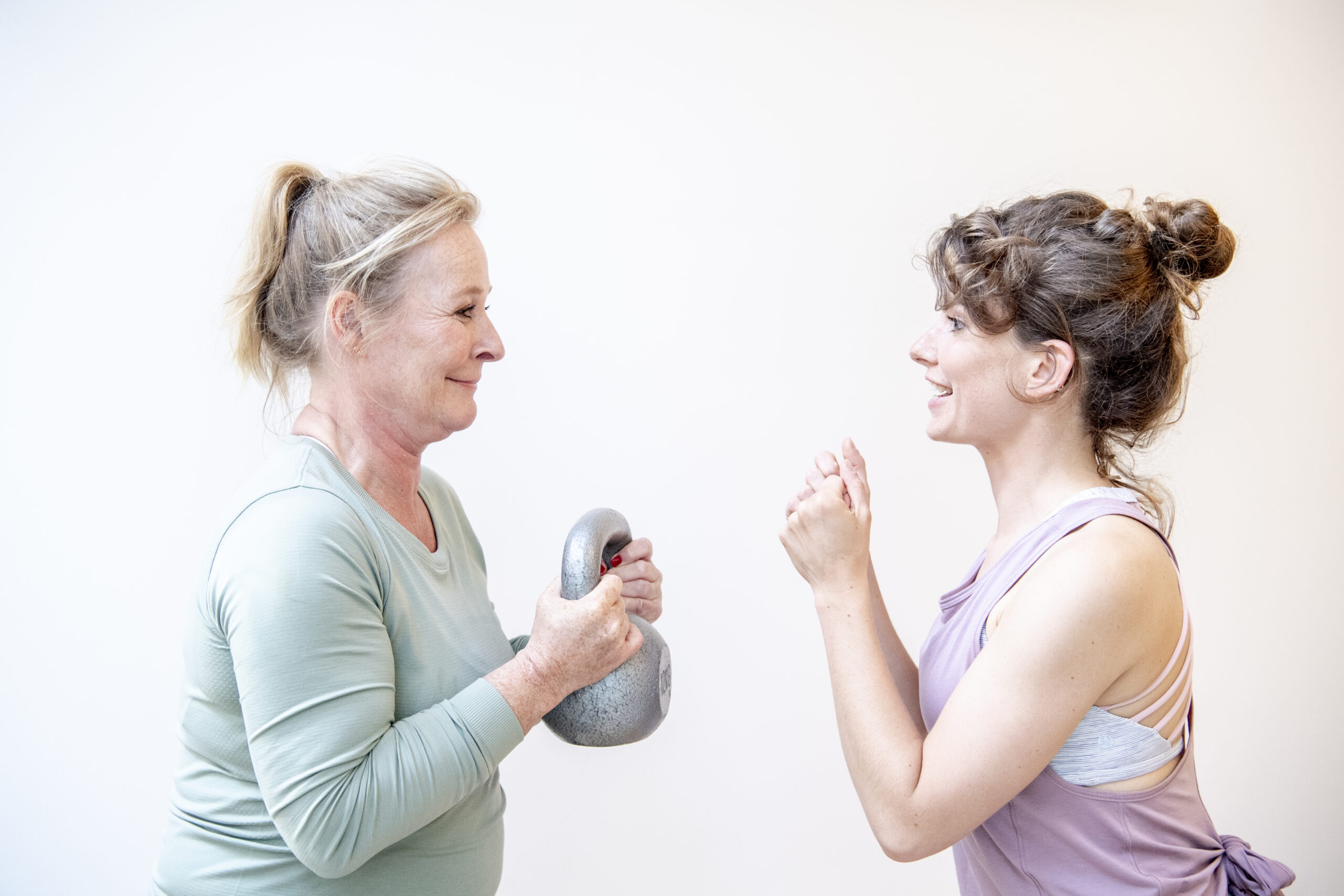
Movement is essential. Strength training in particular helps maintain muscle mass, boost metabolism, and improve energy levels. It also supports bone density, which becomes increasingly important as you age.
Nutrition plays a major role. A diet rich in protein, fiber, and healthy fats helps stabilize your body. Reducing sugar and alcohol can significantly improve how you feel.
Rest and recovery are just as important as movement. Your body needs more balance during this phase. By creating moments of calm and relaxation, you support both your hormones and your nervous system.
Supplements such as magnesium, omega-3, and creatine may provide additional support, depending on your individual needs and symptoms.
The power of training in heat during menopause
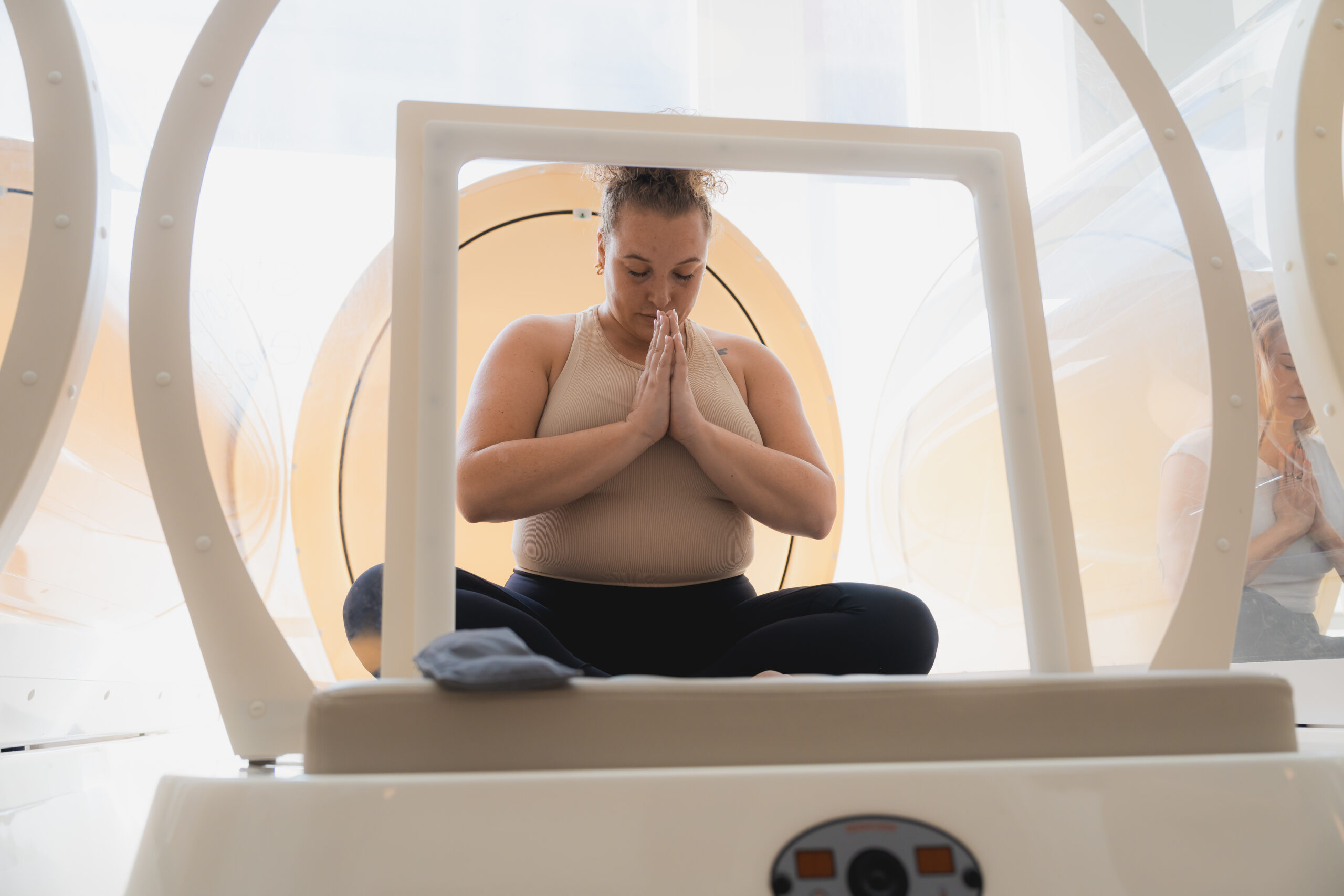
Training in a warm environment can be especially supportive during perimenopause and menopause. Heat causes your blood vessels to expand, improving circulation and helping your muscles recover more efficiently. It also activates heat shock proteins, which support cellular repair, reduce inflammation, and enhance your energy metabolism. Even during low-intensity workouts, your heart rate increases in a warm setting, creating an effective cardiovascular response without overloading your body. Heat also boosts your metabolism and supports fat burning. On a hormonal level, it helps reduce stress hormones like cortisol and supports your body in adapting to hormonal fluctuations. Many women experience less stiffness, more relaxation, and a greater sense of balance after training in warmth.
Perimenopause as a new phase
Perimenopause is not a phase where you lose yourself, but rather a time to reconnect with your body. It asks for softness, awareness, and a new way of taking care of yourself.
When you learn to listen to your body, this phase can become a period of growth, strength, and deeper connection.
If you are a woman looking for a supportive place to move your body, you might want to explore bbb health boutique — a space designed especially for women, where you can also book a free trial session.