Is Pilates suitable for people with joint pain?
Yes, Pilates can be an excellent form of exercise for people with joint pain or stiffness. It focuses on controlled, low-impact movements that place relatively little stress on the joints while strengthening the muscles that support them. The gentle approach of Pilates can help improve flexibility, mobility and strength without unnecessary impact on sensitive joints.
What is Pilates and how does it affect your joints?
Pilates is a low-impact exercise method that focuses on controlled movement, core stability and conscious breathing. For people with joint problems, this means movements can be performed slowly and precisely, avoiding the sudden impact or heavy loading associated with some other forms of exercise.
The Pilates principles can be particularly helpful for sensitive joints because of the emphasis on smooth, controlled movement. Exercises can be adapted to your comfortable range of motion, and you should never need to push through pain. Pilates also strengthens the deep core muscles that support and stabilise your spine.
This approach allows you to gently mobilise your joints while strengthening the muscles around them. Regular movement also supports normal joint function and can help reduce feelings of stiffness. At the same time, improving muscular balance and stability can help your body move more efficiently.
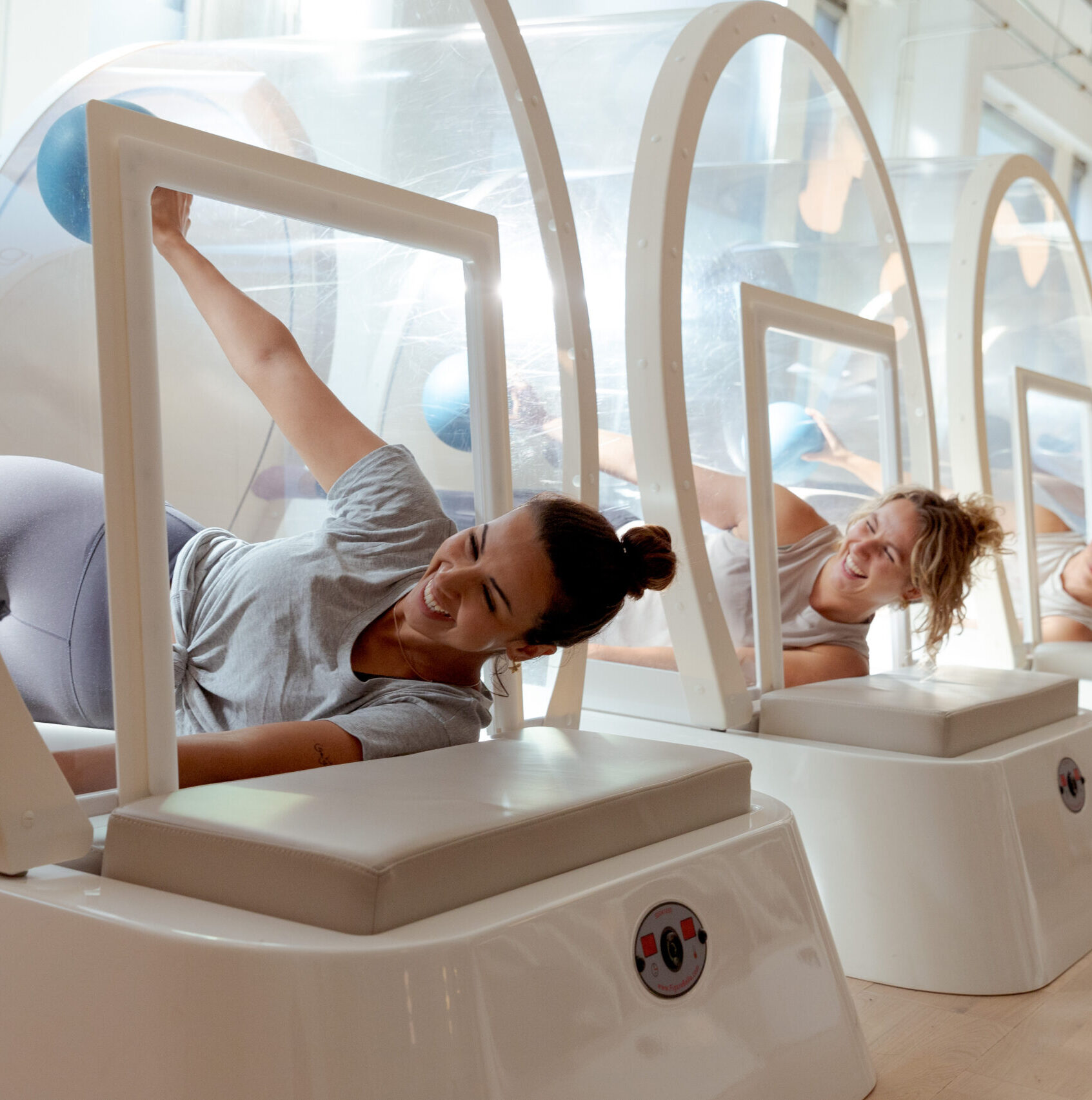
What are the benefits of Pilates for people with joint pain?
Pilates can offer several benefits for people with joint pain, including improved flexibility, stronger supporting muscles, better posture and healthier movement patterns. Together, these may help make everyday movement easier and more comfortable.
Flexibility is developed gradually through controlled movements and gentle stretching. Pilates also helps strengthen the smaller stabilising muscles around your joints. These muscles play an important role in supporting and stabilising the body during movement.
Better posture is another important benefit. Poor posture and movement patterns can place unnecessary strain on certain areas of the body. Pilates teaches you to become more aware of your posture and alignment and can help you develop movement habits that distribute load more evenly.
The breathing techniques used in Pilates can also encourage relaxation and reduce stress and muscle tension, which may be particularly helpful when pain and tension reinforce one another.
Which joint problems can Pilates be suitable for?
Pilates may be suitable for people experiencing arthritis, osteoarthritis, chronic stiffness and general joint discomfort, provided that the exercises are appropriate for the individual and adapted where necessary.
For people with arthritis or osteoarthritis, gentle movement can help maintain mobility while strengthening the muscles that support the joints. Because Pilates exercises can easily be modified, the intensity and range of movement can be adjusted to suit how your body feels.
Pilates can also be helpful for people experiencing chronic stiffness. Exercises gradually encourage mobility without forcing the body beyond a comfortable range. The focus on core stability, posture and controlled movement can also make Pilates a useful form of exercise for some people with back, neck or shoulder problems.
People with fibromyalgia may also find gentle forms of Pilates helpful. However, symptoms vary considerably from person to person, so the intensity and duration of exercise should always be adapted to your individual needs.
What precautions should you take when doing Pilates with joint problems?
If you have joint problems, good professional guidance is important, particularly when you are new to Pilates or have significant or persistent symptoms. A qualified instructor can adapt exercises to your individual needs and help you exercise safely.
Tell your instructor about any joint problems, injuries or pain before the class. A good instructor can offer alternative versions of exercises and adjust your range of movement where necessary. Props such as cushions, blocks or other supports can also make certain exercises more comfortable.
Start slowly and build up gradually. You don’t need to push through pain to benefit from Pilates. Feeling your muscles working is normal, but sharp, sudden or increasing joint pain is a reason to stop and adjust the exercise.
If you have a diagnosed joint condition, a recent injury or severe or unexplained pain, speak to your doctor or physiotherapist before starting a new exercise programme. They can advise you on any specific movements or loads you may need to avoid.
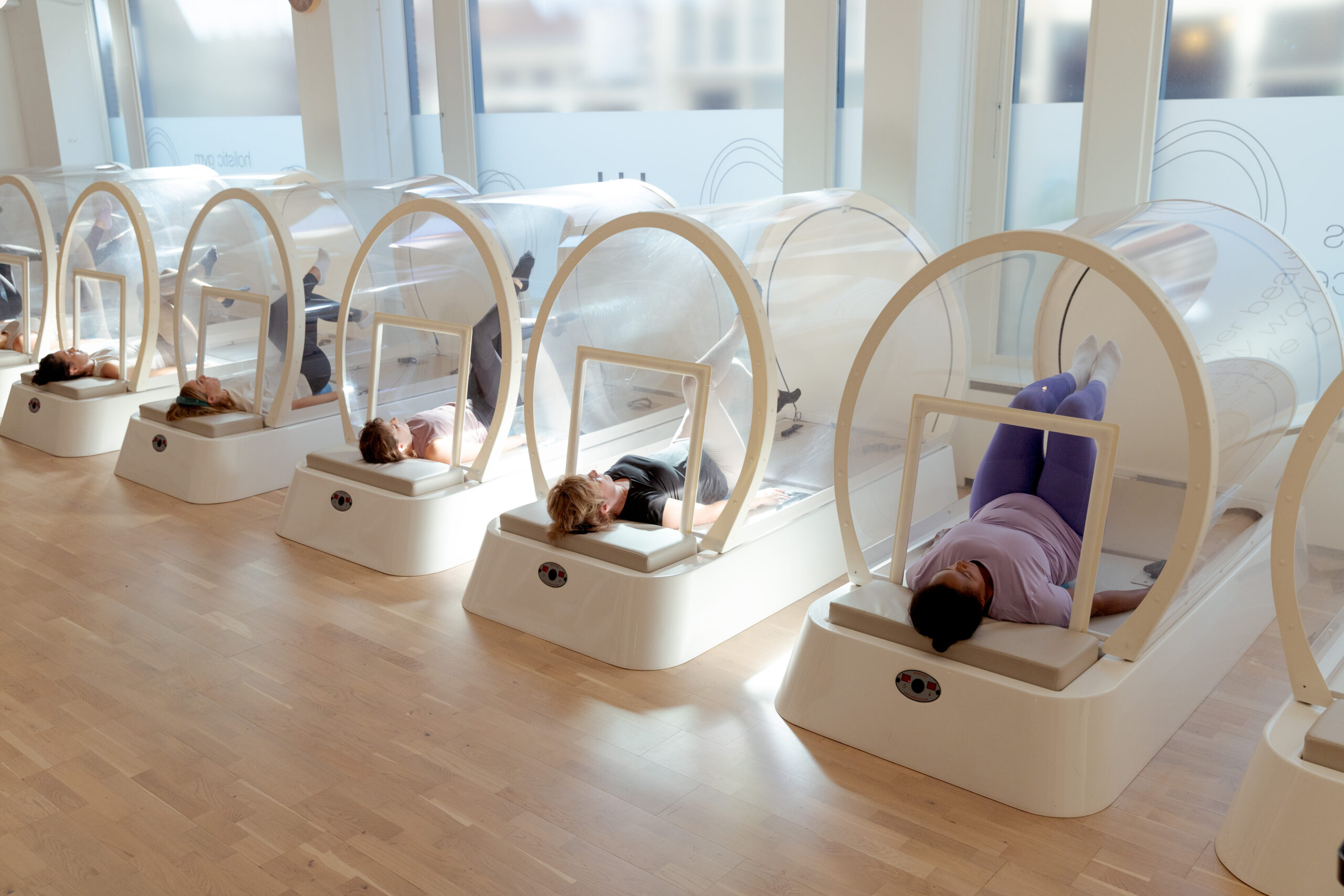
How bbb health boutique can help you get more out of Pilates
At bbb health boutique, we understand that every woman’s body is different. If you experience joint pain or stiffness, our coaches can help you find a way of exercising that feels comfortable and suits your individual needs.
Our approach includes:
- A personal intake to discuss your goals, physical needs and any limitations
- Pilates exercises that can be adapted to your individual level
- Small-group classes with personal attention
- Different types of workouts, allowing you to find the form of movement that suits your body
- Ongoing coaching to help you build strength and confidence step by step
At bbb health boutique, Pilates is part of a broader, holistic approach to women’s health. We combine movement with coaching and attention to nutrition, recovery and lifestyle, helping you work towards your goals in a way that fits your body and your life.
You can also experience Pilates and other low-impact workouts in our hot cabins. The warmth can help your muscles feel more supple and may make movement particularly comfortable if you experience stiffness.
Start your health journey at bbb health boutique today. Book a free trial workout and discover which form of exercise works best for you.