How often should older women do strength training?
Older women should do strength training 2–3 times per week for optimal health benefits. This helps maintain muscle mass, bone density, and balance. Rest days between workouts are essential for muscle growth and recovery.
The ideal frequency varies depending on fitness level and age, but regular strength training is crucial for maintaining independence and quality of life. Strength training in a warm environment can also help muscles activate more effectively and make movements feel more comfortable.
Book your (free) trail here and feel the difference.
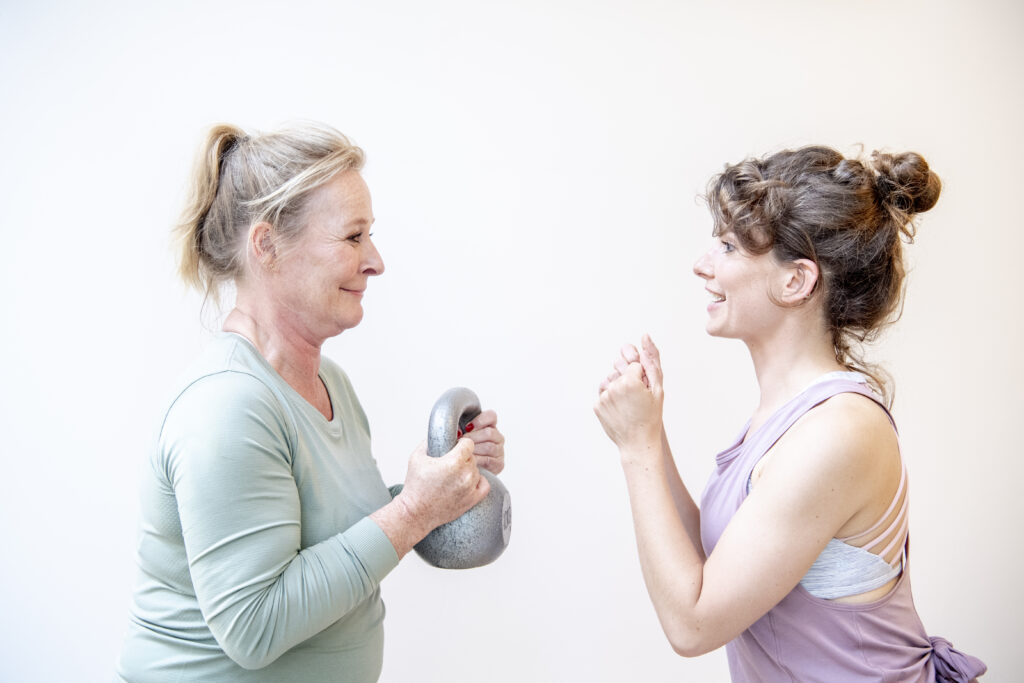
Why is strength training so important for older adults?
Strength training helps older adults counteract the natural loss of muscle mass (sarcopenia) that begins around the age of 30. After the age of 50, we lose approximately 1–2% of muscle mass each year without regular training. Strength training can slow down or even reverse this process.
The benefits of strength training for both women and men are wide-ranging. It not only strengthens muscles but also improves bone density, which is essential for preventing osteoporosis. In addition, it helps maintain balance and coordination, reducing the risk of falls.
Regular strength training also supports everyday activities, such as lifting groceries, getting up from a chair, or climbing stairs. By maintaining functional strength, older adults can remain independent longer and preserve their quality of life.
Moreover, strength training has positive effects on metabolism, blood sugar levels, and cardiovascular health. It also contributes to better posture and can reduce back pain, which is common among older adults.
How often per week should older adults do strength training?
Training two to three times per week is ideal for older adults. This frequency provides enough stimulus for muscle development while allowing sufficient recovery time between sessions. Beginners can start with two sessions per week and gradually increase to three.
Rest days are just as important as training days. Muscles grow and recover during rest, not during the workout itself. Older adults often require slightly more recovery time than younger individuals, so it’s important to keep at least one rest day between intensive strength sessions.
For women over 65, strength training can offer specific benefits, particularly around and after menopause, when hormonal changes affect muscle mass and bone density. Consistency matters more than intensity: it’s better to train moderately three times per week than intensely once per week.
The duration of each session does not need to be long. Effective strength training for older adults can be completed in 30–45 minutes, covering all major muscle groups.
What are the best strength exercises for seniors?
The best strength exercises for seniors are functional movements that mimic everyday activities. Squats help with getting up from chairs, lunges improve balance and stability, and push-ups (possibly modified against a wall) strengthen the arms and chest.
Bodyweight exercises are excellent for beginners. Examples include wall sits, modified push-ups, and step-ups onto a stable platform. These exercises are safe and can easily be done at home without special equipment.
Resistance bands are ideal tools for older adults. They provide gradual resistance and are gentle on the joints. Bicep curls, chest presses, and rowing movements with resistance bands are effective and safe.
Balance and stability exercises should also be integrated into every strength training program. Single-leg stands, heel-to-toe walking, and tai-chi-style movements improve proprioception and significantly reduce fall risk.
How can older adults start strength training safely?
If there are existing health issues such as heart conditions, diabetes, or joint problems, professional advice is essential before starting a training program.
Always begin with light weights or resistance and focus on proper technique. It is better to start with too little resistance than with too much. Gradual progression prevents injuries and builds confidence. Increase resistance only when the current intensity feels comfortable.
Professional guidance can be very valuable, especially in the beginning. A qualified trainer can teach correct technique, design a personalized program, and adapt exercises to individual limitations or goals.
Always listen to your body. Mild muscle soreness after training is normal, but sharp pain or discomfort during exercises is a signal to stop. Adequate hydration and a proper warm-up and cool-down are essential for safe training.
Strength training for older adults is an investment in health and independence. With the right approach and frequency, older adults can benefit greatly from regular strength training, regardless of their starting point. The most important thing is to start and stay consistent, with safety always coming first.
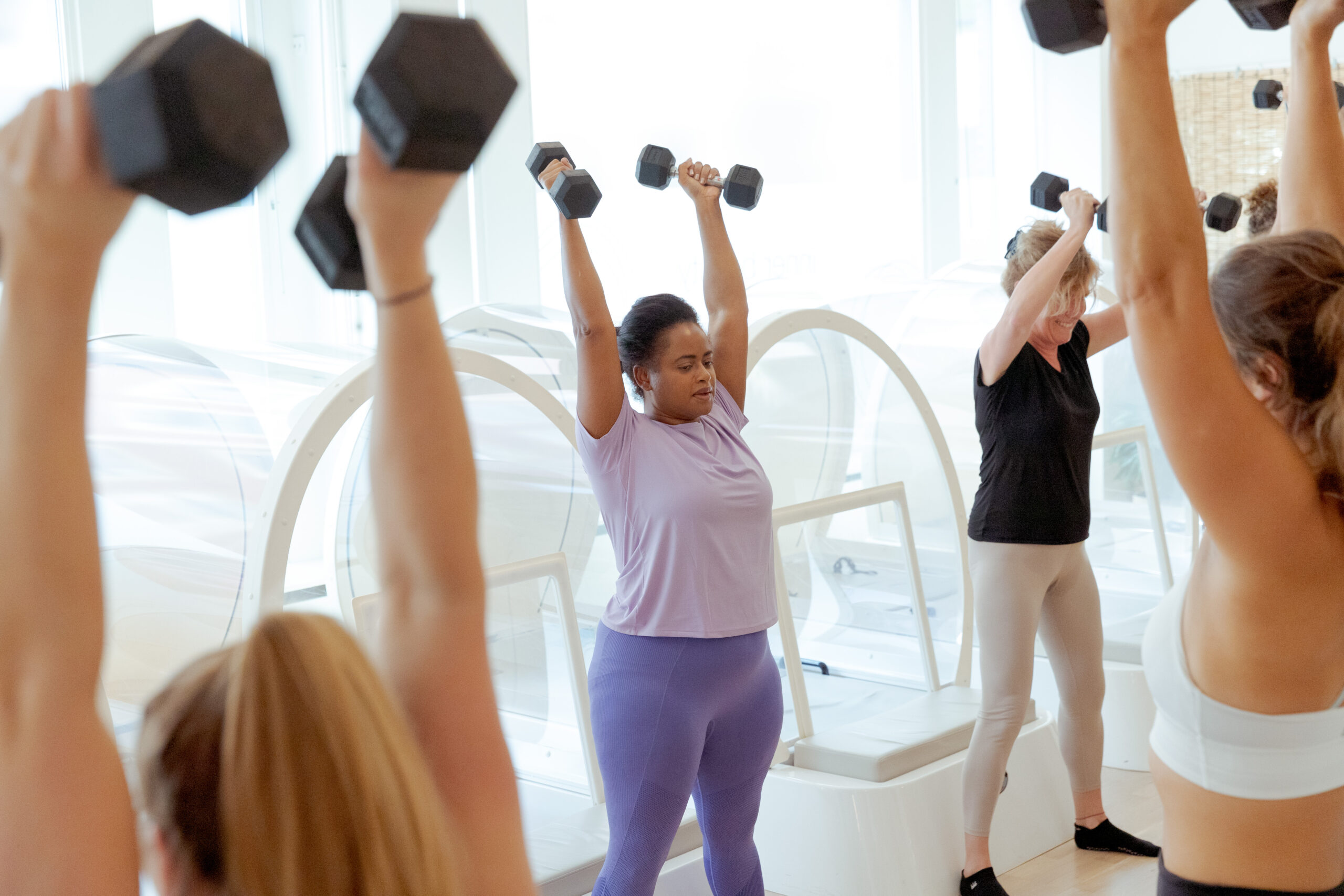
For older women, strength training in a heat cabin can be especially valuable. The warmth helps relax muscles and joints, making exercises feel more comfortable and reducing the risk of injury. Many women notice that stiffness in their muscles and joints decreases when they move in a warm environment. Combined with controlled strength training, this creates a safe and effective way to build muscle strength, mobility, and stability. In addition, the warmth improves circulation, which supports recovery and helps the body move more efficiently.
At bbb health boutique, we offer several strength classes, both in the heat cabin and in the studio. Here you can find an overview of all our classes.
Start your health journey today at bbb health boutique. Book a free trial class now and discover how the unique approach of exercising in a heat cabin can transform your body.