What are the 4 stages of menopause?
Menopause is a natural transition, but it does not happen overnight. Understanding the changes in your cycle, symptoms and health can help you find the support that suits you.
What are the four stages of menopause?
The four commonly described stages are premenopause, perimenopause, menopause and postmenopause. Premenopause refers to the reproductive years before menopausal changes begin. Perimenopause is the transition leading up to the final menstrual period. Menopause itself is a point in time, confirmed retrospectively after 12 consecutive months without a period, when there is no other explanation. Postmenopause is the time that follows.
These stages are not experienced in exactly the same way by everyone. Perimenopause often starts in your forties, although the timing varies. Symptoms and cycle changes may continue for several years.
How can you recognise perimenopause symptoms?
Changes in menstrual timing or flow are common early signs. You might also experience hot flushes, night sweats, disrupted sleep, mood changes, difficulty concentrating, joint discomfort or vaginal dryness. Not everyone has all these symptoms, and their intensity varies.
If bleeding is unusually heavy, occurs after sex or returns after 12 months without a period, speak to your doctor rather than assuming it is part of menopause.
What is the difference between menopause and postmenopause?
Menopause is the milestone of the final menstrual period, recognised after 12 months without menstruation. Postmenopause refers to all the years afterwards. Some symptoms, such as hot flushes, may gradually ease; others can persist. Lower oestrogen levels also make bone and cardiovascular health particularly important.
How can you stay healthy throughout menopause?
A combination of regular movement, nourishing food, sleep and stress management can support wellbeing at every stage. Resistance training helps maintain muscle strength and supports bone health; walking and other aerobic activity benefit cardiovascular fitness. Pilates and yoga can complement strength work with mobility, balance and relaxation.
Eat enough protein and include calcium-rich foods, vegetables, legumes and other fibre-rich foods. Pay attention to vitamin D and calcium intake, particularly if you follow a plant-based diet. Persistent or disruptive menopausal symptoms deserve a conversation with a healthcare professional: lifestyle support and medical treatment can work alongside each other.
Why might exercising in warmth feel good during menopause?
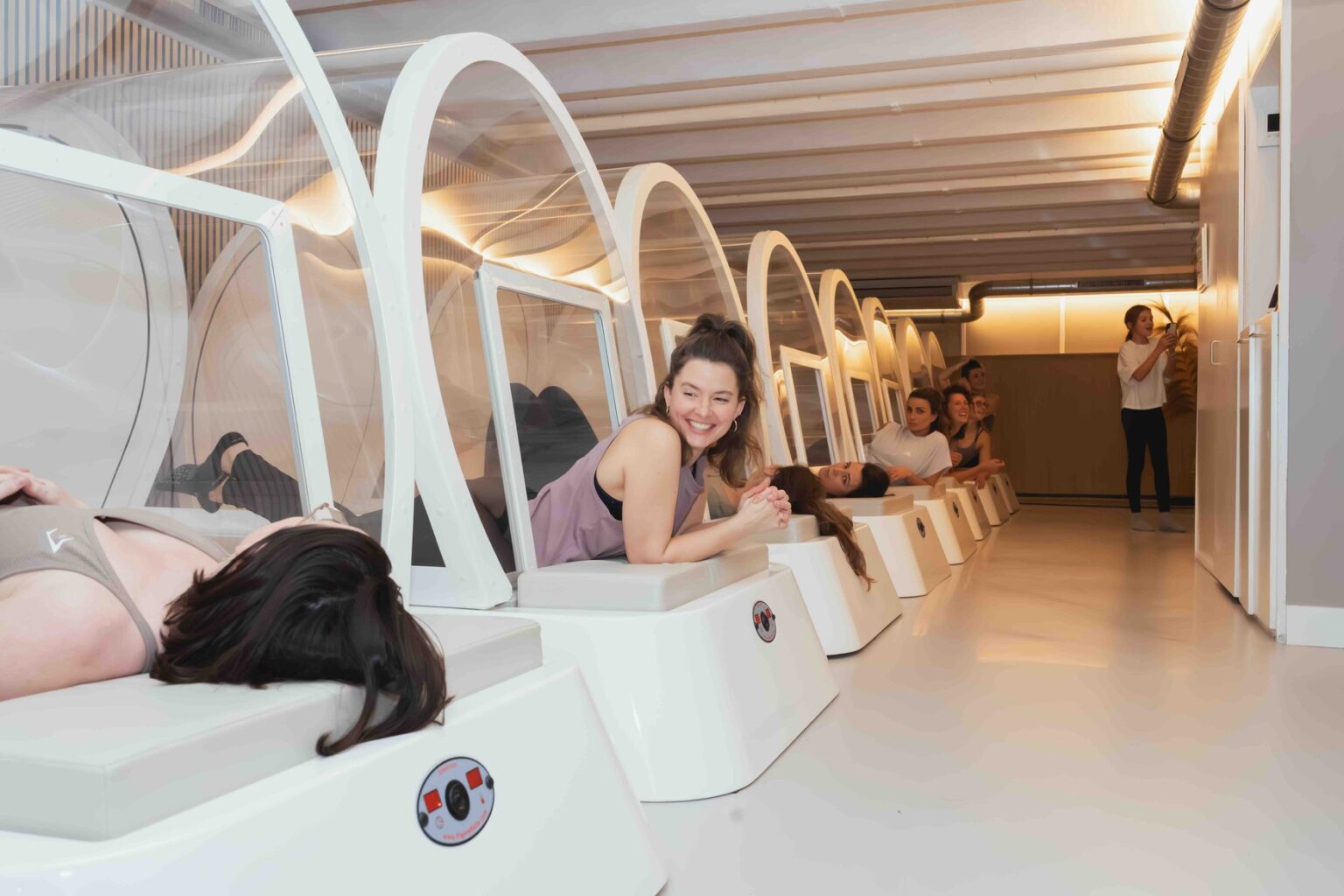
A heated workout space can feel comforting: warmth may help muscles feel relaxed and make it pleasant to ease into movement. Heat increases blood flow to the skin, and some women enjoy the calm, focused setting of a warm cabin. At bbb health boutique, heated-cabin workouts are combined with movement at your own level and personal coaching.
The established benefits for strength, bones, fitness and mood primarily come from exercise itself. There is not enough evidence that exercising in heat directly reduces hot flushes, balances hormones or increases fat loss. If you experience hot flushes, dizziness or heat intolerance, choose a cooler session, drink water, take breaks and stop if you feel unwell.
Every woman experiences this transition differently. You may prefer strength workouts on some days and gentler movement on others. At bbb health boutique, our women-only environment and personal coaching help you find an approach that fits your energy, goals and stage of life.
Frequently asked questions about exercise during menopause
Which exercises are good during menopause?
Strength training helps maintain muscle and bone strength. Pilates and yoga can support mobility, balance and relaxation. Combine activities you enjoy with adequate recovery.
Is strength training important after menopause?
Yes. Muscle mass can decline with age, and resistance training supports strength, bone health and everyday function. Beginners can start with manageable weights and build gradually.
Where can I find a women-only gym with menopause-aware coaching?
bbb health boutique offers a women-only setting with personal coaching, strength workouts, Pilates, yoga and heated-cabin options. You can book a free trial to explore what suits you.
Can I exercise if menopause leaves me feeling tired?
Often yes: start gently and increase activity gradually, allowing time to recover. If fatigue is severe or persistent, consult your doctor to check for other possible causes.