The best low-impact exercises for women during menopause
The best low-impact exercises for women during menopause are yoga, Pilates, swimming, walking and exercising in heat. These forms of exercise are gentle on your joints and bones, while helping to manage common menopause symptoms such as hot flushes, sleep problems and mood swings. Low-impact exercise offers the perfect balance between staying active and protecting your body during this hormonal transition.
Why is low-impact exercise particularly beneficial during menopause?
Low-impact exercise is ideal during menopause because it allows you to stay active without putting unnecessary strain on your body. Hormonal changes during menopause can affect your joints, muscles and bone density. Choosing forms of exercise without heavy impact can help protect your body and reduce the risk of injury.
As oestrogen levels decline during menopause, this can affect your muscles, joints and bones and may make you more prone to stiffness, discomfort and injury. Healthy exercise during menopause therefore means choosing activities that strengthen your heart and muscles without placing unnecessary stress on your body.
Low-impact exercise can also help maintain muscle mass, which tends to decline more quickly during and after menopause. It supports circulation and metabolism without overloading your body. Gentler forms of movement can also help reduce stress, which is important because stress can intensify many menopause symptoms.
And low impact certainly doesn’t mean low intensity. You can challenge your body without putting it through repetitive high-impact movements. Think of Pilates in a heated environment or powerful yoga poses that strengthen your muscles while remaining gentle on your joints.
Which low-impact exercises are best for menopause symptoms?
The most effective low-impact exercises for women during menopause are those that engage the whole body while also addressing specific symptoms. Each type of movement offers its own benefits.
Yoga can help with mood swings, sleep problems and stress. Breathing exercises help calm the nervous system, while yoga poses improve flexibility, balance and strength. Weight-bearing yoga poses can also contribute to maintaining bone health.
Pilates focuses on core strength and posture, which can be particularly helpful for women experiencing back discomfort during menopause. The controlled movements build strength and improve balance, which can help reduce the risk of injury.
Swimming is an excellent option if you experience joint discomfort because the water supports your body. It can also feel refreshing when you are experiencing hot flushes and provides a full-body workout with very little impact on your joints. The resistance of the water also helps strengthen your muscles.
Walking is accessible and effective for weight management, cardiovascular fitness and bone health. Regular walking can improve your fitness, support better sleep and give you valuable mental space. You can easily adjust your pace depending on how you feel that day.
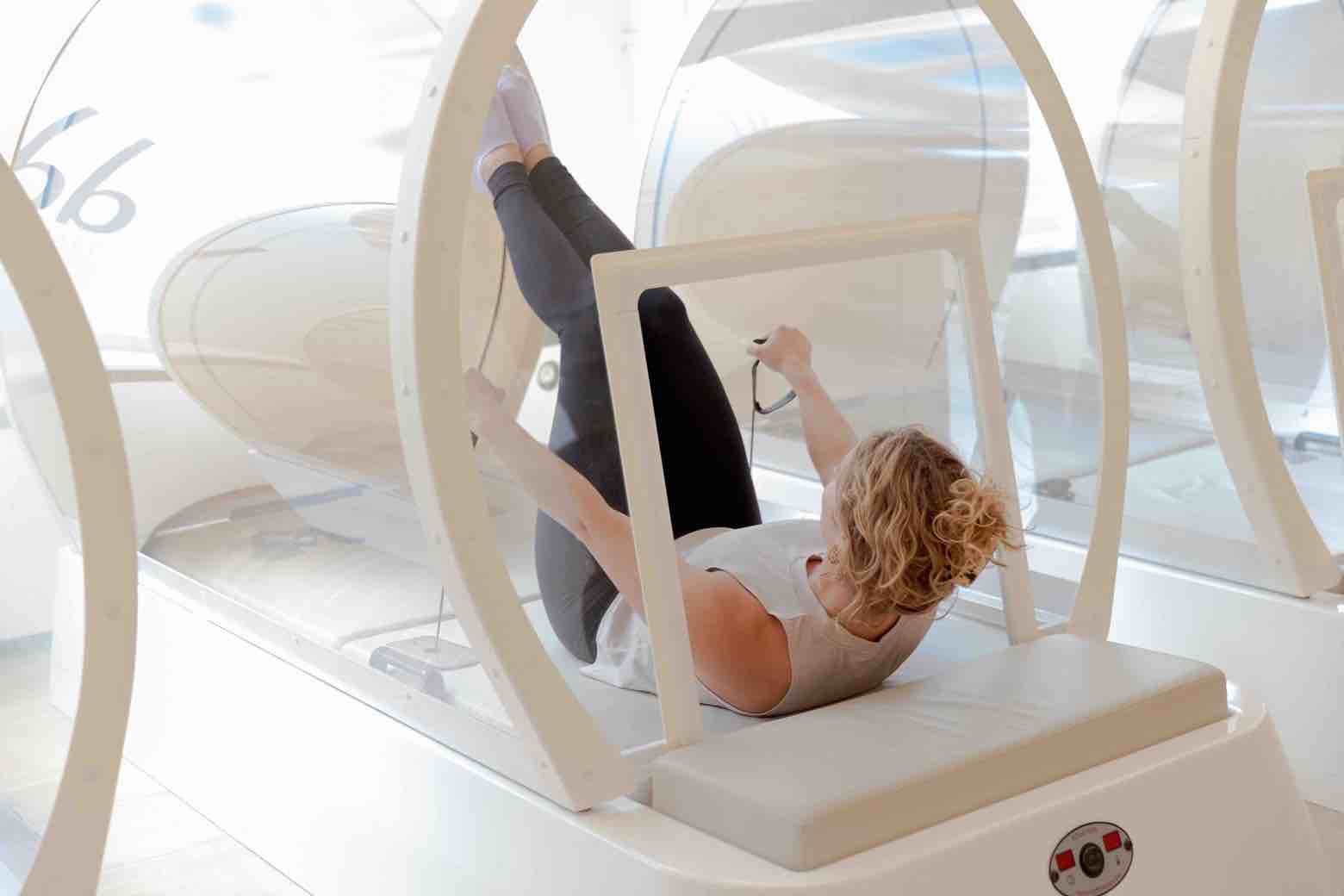
Exercising in heat offers a different training experience during menopause. Warmth can help your muscles feel more relaxed and supple and may make movement feel more comfortable. At bbb health boutique, you can exercise in a hot cabin heated to around 40°C, allowing you to complete an effective workout in just 30 minutes.
Book your free trial workout and experience the difference.
How often should you exercise during menopause for the best results?
For optimal results during menopause, aim to exercise 3 to 5 times a week for around 30 to 45 minutes. This frequency can help support your overall health and manage menopause symptoms without placing too much strain on your body. Listen to your body and build up gradually.
If you’re not used to exercising regularly, start with 2 to 3 sessions per week. Gradually increase the frequency as your body adapts. Some days you may have more energy than others, which is completely normal during menopause.
Alternate more intensive workouts with gentler sessions. For example, you could do Pilates or a more intensive workout twice a week, yoga twice a week and go for a walk once a week. This variety helps prevent overloading your body and keeps your routine enjoyable. Recovery is important too, particularly when your body needs a little more time to recover.
The duration of your workout is often less important than consistency. Thirty minutes of focused movement can be more beneficial than an hour of exercise without much intensity or purpose.
Pay attention to signals such as extreme fatigue, disrupted sleep or worsening symptoms. These may indicate that your training is too intense. Take a rest day when you need one: recovery is an essential part of exercising well during menopause.
What is the difference between exercising in heat and regular fitness during menopause?
Exercising in heat feels different from regular fitness and can be particularly enjoyable for women who experience muscle stiffness or prefer training in a warm environment. At around 40°C, the warmth helps your muscles feel supple and can make certain movements and stretches feel more comfortable.
Your body also has to work to regulate its temperature during exercise in a heated environment, which can make the workout feel more intense. Because of this, a relatively short session can still provide a challenging full-body workout.
Exercising in heat also makes you sweat more. Sweating is your body’s natural way of regulating temperature and many women enjoy the warm, energising feeling of a hot-cabin workout.
Warm muscles can make stretching feel easier and may help reduce feelings of stiffness, which are common during menopause. The heat can also create a relaxing experience, particularly when combined with controlled, low-impact movements.
Regular fitness may be a better choice if you don’t tolerate heat well or if you notice that exercising in a warm environment makes your hot flushes worse. Every woman experiences menopause differently, so finding a form of exercise that works for your body is important.
At bbb health boutique, you can combine the best of both worlds. Choose workouts in the hot cabin when they feel right for you, and regular studio classes when you prefer a cooler environment. Our coaches can help you find a balance that suits your body, your goals and the way you experience menopause.
Start your health journey at bbb health boutique today. Book a free trial workout and discover how our unique approach to exercise, coaching and training in a hot cabin can support you during menopause.